GUISEPPE | 2026.2 | 145.5 MB
1984年,一款入门级数字混响问世,随后对现代音乐产生了深远影响。在过去30年里,它几乎进驻了每一家高端录音室,初代PCM-60已成为80年代紧致有力混响的代名词。
我们将这款标志性硬件混响的灵魂与特质,通过先进的DSP技术和现代化的工作流程增强,带入了21世纪。
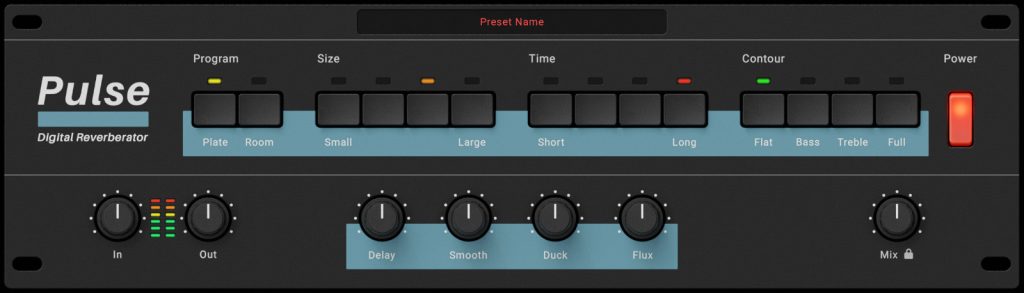
隆重推出 Pulse——对经典PCM之声的现代演绎。
探索 Pulse
无论你是想复刻原始硬件的每一处细微差别,还是将这一标志性音色带入全新未知的领域,Pulse都能凭借其清晰简洁的界面助你轻松实现。
标志性的PCM混响
PCM指脉冲编码调制(Pulse Code Modulation),这项技术于80年代初问世,随后成为处理数字音频的主要方法。多年来,这项技术有了长足的进步,但在1984年,用今天的标准来看,它会被贴上低保真、有颗粒感或不真实的标签。这与60年代听起来有机、自然且干净的板式和弹簧混响形成了鲜明对比。
然而,快进近40年,正是这些特质让这款混响在今天再次备受追捧。它的音色个性鲜明、有力且极具辨识度。
初代硬件功能有限,常被用作调音台上的发送效果,需配合EQ、压缩和其他录音室处理来进一步增强。Pulse不仅通过定制的DSP和音色塑形控制,将这款经典带入了现代,更做到了操作轻松简单——无论你是需要快速获得专业效果的制作人,还是刚开始尝试处理自己人声的创作型歌手……
塑形(Shape)
声音的起始部分通常是最响的,这被称为瞬态。响亮的瞬态会导致混响听起来单薄或微弱,因为声音的延音部分或尾部要安静得多。
Pulse的Shape参数通过智能降低瞬态音量解决了这一问题,使混响信号更加饱满、厚实且音色更暗,全程无需改变原始干声信号,也无需像使用传统混响那样在发送轨道上添加额外的处理器。
调制(Modulate)
我们定制调谐的Flux控制,是基于多年使用硬件混响的经验开发的。所有优秀混响都有一个共同的关键要素,那就是它们所营造出的空间感和动感。
Flux通过巧妙的电平响应式滤波和底层创意调制,创造出同样的行为表现和声音深度。轻微使用时,它能增添一种柔和的3D动态感和深度。在极限设置下,你可以探索全新的世界,体验饱满的类合唱调制和低保真质感。
此版本的新内容
官方网站未提供关于此版本变更的任何信息。
系统要求
- 支持平台: Mac OS
- 插件格式: VST3, AU, AAX
- 原生支持: Apple Silicon 芯片(M1 & M2)
- 原生支持: M1上的AAX格式
官网
http://www.wavealchemy.co.uk/product/pulse/
In 1984 an entry level digital reverb was released that would go on to have a profound impact on modern music. Finding a home in nearly every high-end studio over the past 30 years, the original PCM-60 became synonymous with tight and punchy 80s reverb.
We’ve taken the soul and character of this iconic hardware reverb and brought it into the 21st century with advanced DSP and modern workflow enhancements.
Introducing Pulse – A modern take on the classic PCM sound.
Explore Pulse
Whether you want to recreate every nuance of the original hardware or take this iconic sound to new and unchartered territory, Pulse allows you to easily with it’s clear and concise interface.
Iconic PCM Reverb
PCM refers to Pulse Code Modulation, the technology introduced in the early 80s that would go on to become the primary method for processing digital audio. Over the years this technology would improve considerably, but in 1984 it was considered now what we would label Lo-fi, Grainy or Unrealistic. This was in stark contrast to the Plates and Springs of the 1960s which sounded Organic, Natural and Clean.
However, fast forward nearly 40 years and it is exactly these characteristics that make this reverb so desirable again today. Its sound is characterful, punchy and unmistakable.
The original unit was limited in features and was often used as a send on a mixing console where EQ, Compression and other studio processing could be used to enhance it further. With Pulse, we’ve not only implemented custom DSP and tone shaping controls to bring this classic into the modern era, but we’ve done so in a way that makes it effortless and easy to dial in – whether you’re a producer looking for professional results quickly, or a songwriter just getting started in engineering your own vocals…
Shape
The initial portion of a sound is often the loudest, this is called the transient. loud transients can cause Reverb to sound thin or weak because the sustain portion, or tail, of the sound is much quieter.
Pulse’s Shape parameter solves this problem by intelligently lowering the transient volume to make the Reverb signal lusher, thicker and darker in tone, all without changing the original dry signal or needing unnecessary sends with additional processors like traditional reverbs.
Modulate
Our custom tuned Flux control was developed on our years of experience using hardware reverbs. One of the most important elements that all great reverbs have in common is the sense of space and movement they create.
Flux creates this same behaviour and sonic depth through clever level-dependant filtering and creative under-the-hood modulation. Used subtly it can add a gentle sense of 3D movement and depth. At extreme levels you can explore totally new worlds of lush chorus-like modulation and lo-fi textures.
Whats new in this version
Official site does not provide any info about changes in this version.
System Requirements
Platforms supported: Mac OS
Plugin formats: VST3, AU, AAX
Native support for Apple Silicon chips (M1 & M2)
Native support for AAX on M1